
Preserving Trees During Property Changes
Tree Moving & Transplanting in Santa Fe & Alvin, TX, for construction projects and landscape renovations where existing trees need relocation
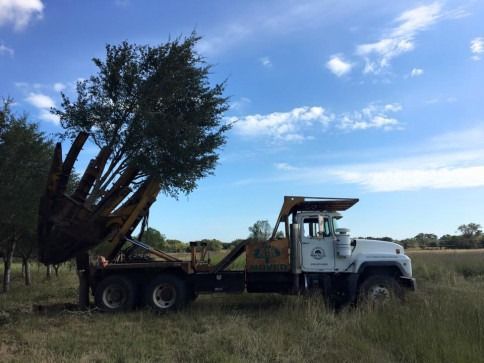
Wagner Tree Farm relocates trees using specialized equipment designed to preserve root structure during the move. When construction plans conflict with established tree locations, or when landscape renovations require repositioning mature specimens, transplanting allows you to keep the tree rather than starting over with new plantings. The process involves careful root ball preparation, climate-timed excavation, and controlled transport that maintains the tree's stability throughout relocation.
The transplanting process protects the critical root zone while severing roots cleanly rather than tearing them during extraction. Equipment stabilizes the root ball during transport, and replanting techniques position the tree at the correct depth with proper soil contact to eliminate air pockets that would otherwise dry out roots. In Santa Fe's clay-heavy soils, root ball integrity determines whether transplanted trees establish new feeder roots quickly enough to survive the first growing season.
Schedule a site evaluation to determine which trees are candidates for relocation based on size and root conditions in Alvin, TX.
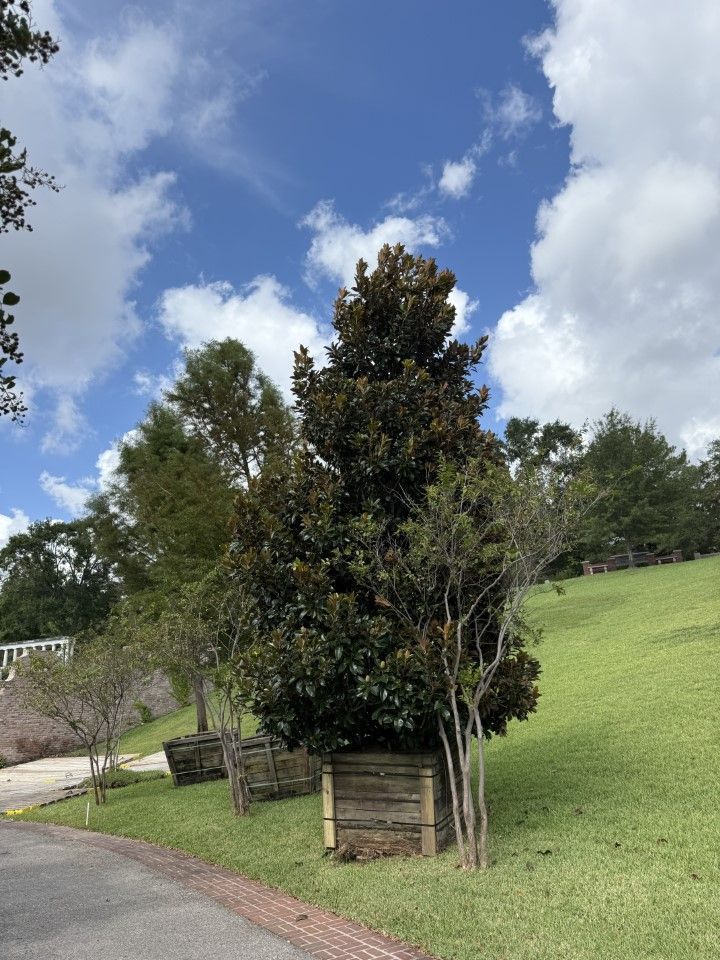
What Proper Transplanting Requires
Root ball size corresponds directly to the tree's caliper and canopy spread, requiring excavation equipment capable of lifting substantial weight without destabilizing the soil mass. Timing the move during dormancy reduces transplant shock by minimizing water demand when the root system is compromised. Species with fibrous root systems generally transplant more successfully than those with deep taproots, which influences planning for mixed-landscape relocations.
After transplanting, you'll notice the tree remains upright without leaning, mulch surrounds the base without touching the trunk, and soil settles evenly around the root ball rather than leaving voids. Successful establishment shows in spring bud break that occurs on schedule and leaf size that matches pre-transplant growth within two seasons. Wagner Tree Farm monitors these indicators during the recovery period to address any establishment issues before they compromise long-term health.
Post-relocation care includes watering schedules adjusted for reduced root capacity, staking that allows controlled movement without allowing the root ball to shift, and pruning that balances the canopy with the temporarily reduced root system. These measures work together to encourage new root growth into surrounding soil while the tree re-establishes its ability to support existing foliage.
What Property Owners Usually Ask
Understanding the transplanting process helps you plan around construction schedules and seasonal conditions that affect success rates.
- What determines whether a tree can be safely moved? Tree size, species, existing health, and root structure determine transplant viability, with younger trees under twelve inches in caliper generally responding better than older specimens that have established extensive root systems beyond the practical excavation radius.
- How is the tree's root system protected during the move? Excavation creates a root ball sized proportionally to the tree's canopy, typically twelve inches of diameter for every inch of trunk caliper, and burlap wrapping reinforced with wire basket holds the soil mass intact during lifting and transport.
- When should tree relocation happen to maximize survival? Dormant season moves between late fall and early spring allow the tree to allocate energy toward root recovery rather than supporting active foliage, which is particularly important in Santa Fe where summer heat stress compounds transplant shock.
- What site preparation does the new location require? The receiving hole must match root ball depth exactly to prevent settling that buries the trunk flare, and soil amendments are added only outside the root ball to encourage outward root growth rather than creating a contained pocket that limits establishment.
- How long before the tree resumes normal growth after transplanting? Most trees require one full growing season to stabilize and begin producing new foliage at pre-transplant rates, with full canopy recovery typically occurring within two to three years depending on the species and transplant conditions.
Wagner Tree Farm coordinates transplanting with your construction timeline to minimize delays while prioritizing tree health. Contact us to discuss specific trees you need relocated and receive planning recommendations based on current site conditions.