
Tree Preservation During Development Projects
Commercial Tree Relocation in Santa Fe & Alvin, TX, for development projects, HOAs, and municipalities requiring landscape preservation
Commercial development and municipal projects often encounter existing trees that conflict with building footprints, parking layouts, or infrastructure improvements. Relocating these trees rather than removing them supports sustainability goals, maintains landscape aesthetics, and in some cases satisfies tree preservation ordinances that would otherwise require mitigation plantings. Wagner Tree Farm coordinates commercial tree relocation with project timelines and site logistics, using equipment scaled to handle multiple large specimens while minimizing disruption to ongoing development activities and surrounding properties.
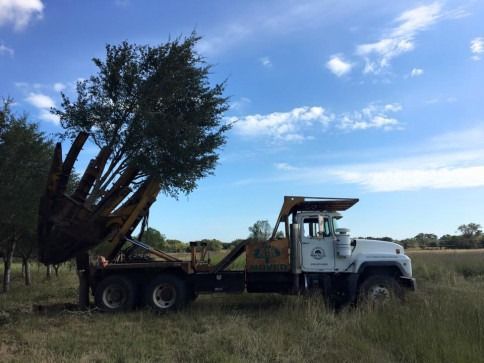
The relocation process involves pre-construction planning to identify preservation candidates, evaluate receiving sites within the development or at alternative locations, and schedule moves during appropriate seasonal windows. Tree spade equipment handles specimens efficiently while crews coordinate with general contractors, utility locators, and site engineers to prevent conflicts with underground infrastructure or construction staging areas.
Arrange a project planning meeting to review site plans and identify tree relocation opportunities that align with your development schedule in Alvin, TX.
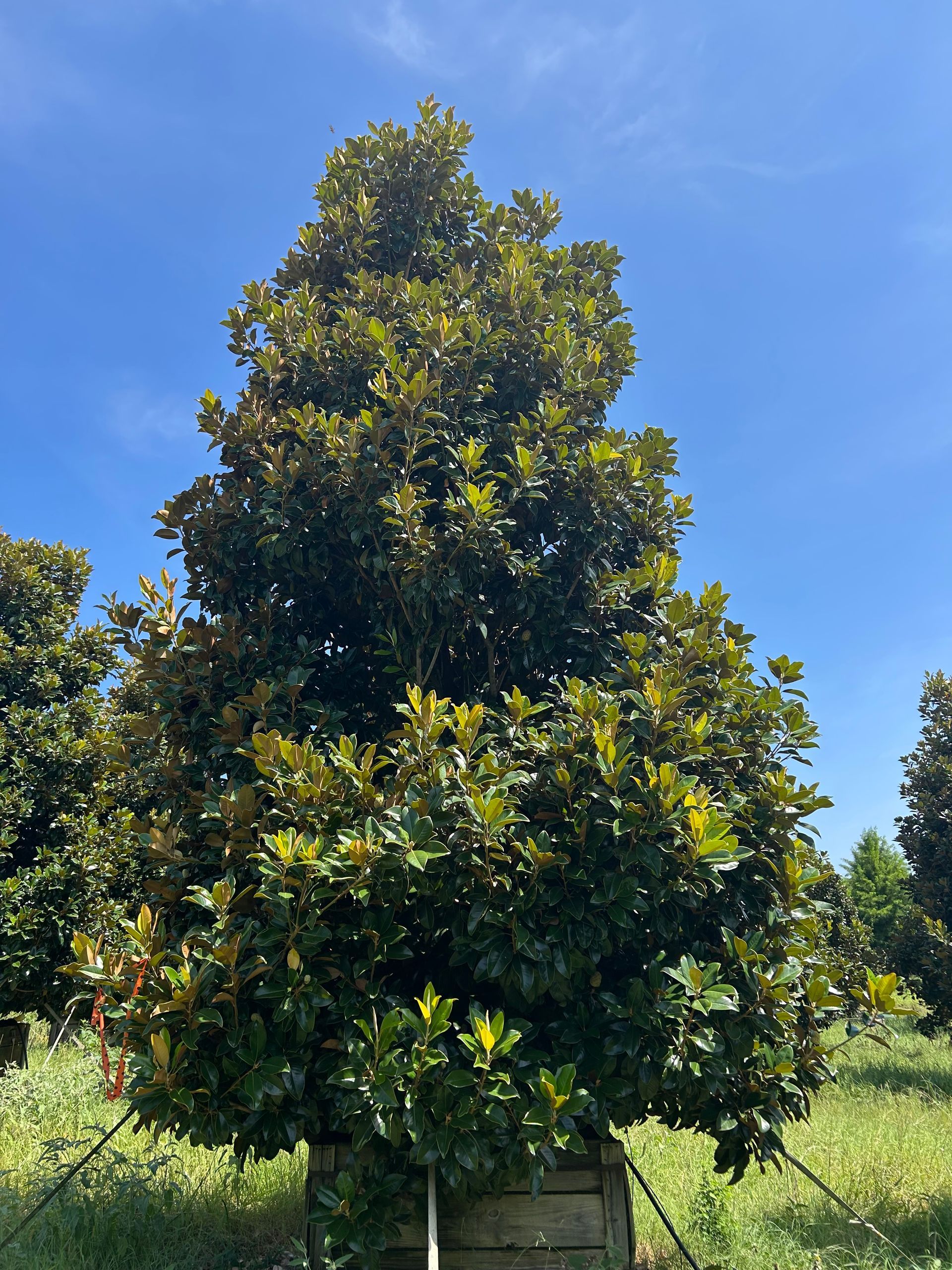
The Difference Between Removal and Strategic Relocation
Commercial tree relocation requires coordination with multiple stakeholders including property owners, developers, landscape architects, and municipal reviewers who may have specific requirements for tree preservation or replacement ratios. Equipment logistics account for active construction sites where excavation, transport routes, and staging areas must integrate with grading operations, utility installation, and building construction. Species selection for relocation prioritizes trees with high landscape value, good transplant tolerance, and sizes that justify the relocation investment compared to removal and replacement costs.
After relocation, you'll observe preserved mature trees providing immediate landscape presence in their new locations, avoiding the gap period that follows removal and new planting approaches. The trees continue offering shade, visual screening, and aesthetic value without the decade-plus timeframe required for replacement specimens to reach comparable size. Project sites maintain green infrastructure throughout development rather than presenting barren conditions during construction and early occupancy phases.
Commercial relocation services include documentation for permit compliance, coordination with project schedules to prevent delays, installation that meets landscape architect specifications, and establishment period monitoring that confirms transplant success. These project management elements address the specific requirements commercial clients face beyond the biological considerations that apply to all tree relocations.
What Developers Usually Ask
Commercial tree relocation involves project coordination and regulatory considerations distinct from residential moves, requiring planning that addresses both construction logistics and long-term landscape management.
- How does tree relocation satisfy preservation ordinances? Many municipalities credit relocated trees toward preservation requirements at higher ratios than new plantings, recognizing the immediate environmental benefits mature trees provide compared to young replacement stock that requires years to deliver comparable ecosystem services.
- What timeline does commercial tree relocation require? Planning begins during site design to identify preservation candidates and receiving locations, with actual moves scheduled during dormant seasons and coordinated with grading and utility installation phases to minimize equipment conflicts and prevent damage to relocated specimens.
- How do relocation costs compare to removal and replacement? While relocation involves higher initial costs than removal, it eliminates replacement planting expenses and provides immediate landscape maturity, often resulting in comparable total costs with significantly shorter timelines to achieve desired aesthetic and functional outcomes.
- What site conditions in Santa Fe affect commercial tree relocation? Clay soils common in the area require careful root ball preparation to maintain soil mass integrity, and summer heat stress makes dormant season transplanting particularly important for projects with rigid completion schedules that might otherwise force off-season moves.
- What documentation does tree relocation provide for project compliance? Relocation services include tree inventory records, transplanting specifications, installation certification, and establishment monitoring reports that satisfy landscape architect requirements and municipal inspection protocols throughout the development approval process.
Wagner Tree Farm provides commercial tree relocation services that integrate with development schedules while preserving valuable landscape assets and supporting project sustainability goals. Contact us to discuss specific development plans and receive detailed relocation proposals for your site.