
Repositioning Trees for Home Improvements
Residential Tree Moving in Santa Fe & Alvin, TX, for home additions, patios, pools, and landscape upgrades requiring tree relocation
Home improvement projects frequently encounter existing trees in locations needed for additions, outdoor living spaces, or pool installations. Rather than removing trees that provide shade and aesthetic value, relocation preserves these landscape assets while accommodating your property improvements. The process involves evaluating which trees are suitable candidates based on species, size, and health, then using equipment and techniques calibrated to residential properties where access constraints and proximity to structures require more careful handling than open-site relocations.
Wagner Tree Farm customizes tree moving solutions based on your specific project requirements and existing landscape. Equipment selection accounts for gate widths, overhead clearances, and underground utilities common in residential settings. Relocated trees continue providing the benefits you valued in their original location—shade, privacy screening, visual appeal—while your property gains the functional improvements that prompted the move.
Request a property consultation to identify which trees can be relocated and determine optimal receiving locations that support your landscape goals in Alvin, TX.
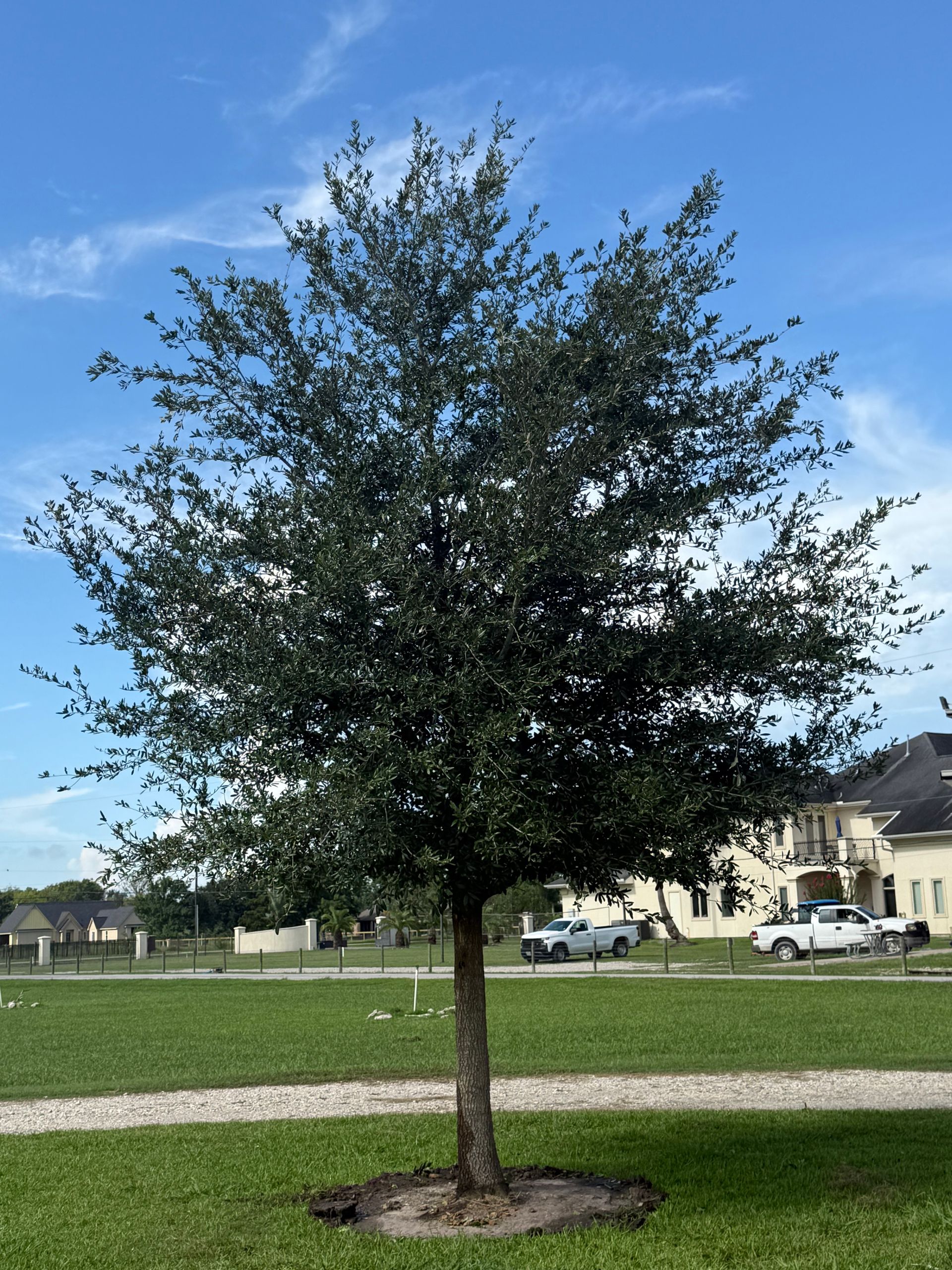
What You Notice Once Residential Tree Moving Is Finished
Residential tree moving accounts for limited equipment access and nearby structures that restrict excavation methods, often requiring smaller tree spades or hand-digging techniques for trees in confined locations. Root ball sizing follows species-specific requirements while considering the practical constraints of moving large soil masses through residential yards. Timing aligns with your construction schedule while prioritizing seasonal windows that improve transplant survival, particularly avoiding summer heat stress in Santa Fe's climate.
Once your tree is relocated, you'll see it positioned at the same depth it grew originally, with mulch applied around the base and irrigation established to support recovery. The canopy retains its shape without significant branch dieback, and within one growing season new growth emerges at rates approaching pre-transplant levels. Your construction project proceeds without the visual gap and lost shade that removal would have created, and the landscape maintains continuity rather than requiring years for new plantings to mature.
The moving process includes minimizing disruption to surrounding lawn and garden areas, protecting existing irrigation systems and hardscapes during equipment operation, and coordinating timing with your contractor's schedule to prevent delays. Post-move care instructions address watering requirements, staking duration, and monitoring indicators that confirm successful establishment in the new location.
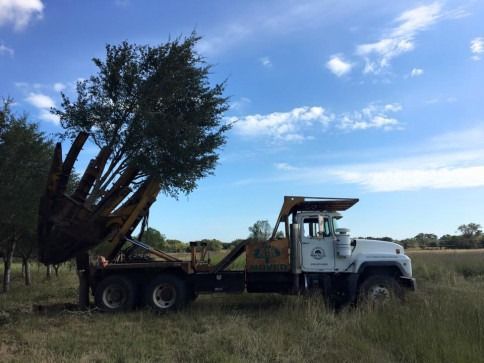
Questions Before Starting Your Project
Residential tree relocation involves balancing project needs with landscape preservation, requiring planning that accounts for both construction logistics and tree biology.
- What home improvement projects typically require tree relocation? Room additions, covered patios, pool installations, and driveway expansions commonly conflict with existing tree locations, and relocating rather than removing these trees preserves landscape value while accommodating the improvements.
- How do access limitations affect tree moving options? Narrow side yards, overhead power lines, and underground utilities may restrict equipment choices or require hand-digging methods that influence which trees are practical candidates for relocation based on their size and root spread.
- What should I consider when selecting the new tree location? Mature canopy spread, sun exposure requirements, proximity to structures and utilities, and soil drainage all influence whether a receiving location will support long-term tree health after transplanting stress.
- How does tree moving coordinate with construction timelines in Santa Fe? Transplanting during dormant months between late fall and early spring provides optimal recovery conditions, and scheduling the move before heavy construction equipment arrives prevents accidental damage to trees planned for relocation.
- What maintenance does a relocated tree need during recovery? Supplemental watering continues through the first two growing seasons with frequency adjusted seasonally, and monitoring for pest or disease problems becomes particularly important when transplant stress temporarily reduces the tree's natural defense mechanisms.
Wagner Tree Farm works with homeowners to preserve landscape investments during property improvements, providing tree relocation services that coordinate with construction schedules while prioritizing transplant success. Schedule a site visit to discuss your specific trees and improvement plans.