
Keeping Established Trees During Site Changes
Mature Tree Relocation in Santa Fe & Alvin, TX, for preserving valuable landscape assets when property development requires repositioning
Mature trees provide shade, visual appeal, and property value that take decades to replace through new plantings. Wagner Tree Farm relocates established trees rather than removing them when site plans conflict with existing locations, using handling techniques that protect root systems already spread well beyond the trunk. The process accounts for the tree's established growth patterns, existing root architecture, and the reduced capacity for recovery that comes with age compared to younger specimens.
Careful planning evaluates the tree's current health, root spread, and species-specific transplant tolerance before committing to relocation. Equipment capable of managing root balls weighing several tons moves the tree with minimal soil disturbance, and post-relocation care focuses on encouraging new feeder root development in surrounding soil. Mature trees transplanted correctly continue providing the shade coverage and landscape presence they offered in their original location.
Request a consultation to assess whether specific mature trees are candidates for relocation or require alternative planning in Alvin, TX.
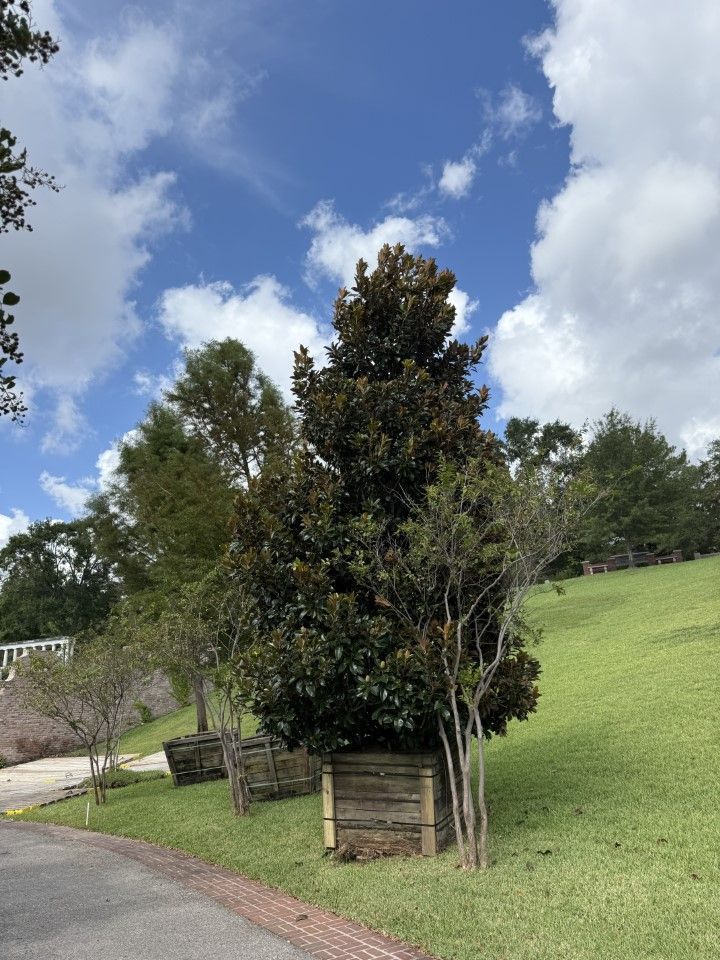
How Mature Tree Relocation Addresses Established Root Systems
Mature trees develop root systems extending two to three times beyond the canopy drip line, requiring root pruning months before the actual move to stimulate feeder root growth closer to the trunk. This preparation period allows the tree to develop a more compact root system that survives excavation without losing critical moisture uptake capacity. Species like live oaks common in Santa Fe landscapes respond well to this staged approach when moves are timed during dormancy.
Once relocated, you'll observe that the tree maintains its existing canopy shape without immediate dieback, mulch retains soil moisture around the expanded root zone, and trunk stability remains consistent without shifting. Wagner Tree Farm provides post-move monitoring to track bud break timing and leaf development that indicate successful root re-establishment in the new location.
The relocation includes species-appropriate staking that prevents root ball movement during wind events while allowing natural trunk flex, irrigation scheduling calibrated to the tree's reduced root capacity, and canopy management that reduces water demand until the root system expands into surrounding soil. These combined measures address the specific challenges mature trees face when root systems are necessarily reduced during excavation.
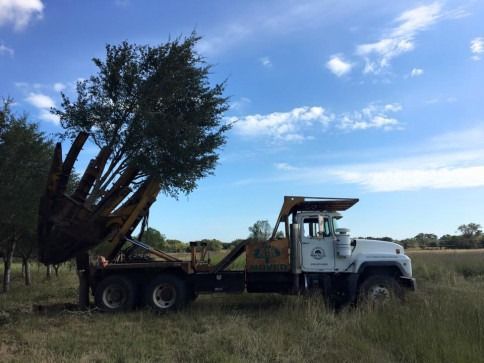
Answers to Frequent Service Questions
Relocating mature trees involves considerations beyond those for younger specimens, particularly regarding recovery timelines and long-term establishment.
- What makes mature tree relocation different from moving younger trees? Mature trees have proportionally larger root systems that extend farther from the trunk, requiring more extensive excavation and heavier equipment, and they demonstrate slower recovery rates due to reduced capacity to generate new feeder roots compared to younger trees.
- How far in advance should mature tree relocation be planned? Root pruning performed six to twelve months before the move allows the tree to develop new feeder roots within the excavation zone, improving transplant survival by ensuring adequate moisture uptake capacity remains after the root ball is severed.
- What species transplant successfully as mature specimens? Trees with fibrous root systems like maples and elms generally relocate more successfully than species with deep taproots, and evergreens require different timing than deciduous trees to avoid moisture stress during active growth periods.
- What ongoing care do relocated mature trees need? Supplemental watering continues through at least two full growing seasons until new root growth extends into native soil, and canopy monitoring identifies any branches that fail to leaf out and require removal to balance the reduced root system.
- Why choose relocation over removal and replacement? Mature trees provide immediate shade, established landscape character, and property value that new plantings require decades to match, and relocation costs often compare favorably to removal followed by installation of multiple smaller replacement trees.
Wagner Tree Farm evaluates your mature trees to determine relocation feasibility and develops timelines that align with construction schedules while prioritizing tree survival. Arrange a property assessment to review specific trees and discuss planning requirements for successful relocation.